
Fall has a way of making home maintenance feel more urgent. Cooler mornings arrive, leaves start to fall, and suddenly all those little jobs you meant to handle over the summer need attention before the cold weather sets in.
That said, there’s no need to get overwhelmed. Fall home maintenance is really just a handful of quick checks, not a big-budget project. A few practical checks can help you spot small problems early, prepare your home’s systems for winter, and reduce the chance of an unexpected repair.
Some jobs are easy to handle yourself, while others may require a pro. Whether you need an HVAC technician, roofer, electrician, or a plumber, scheduling inspections before the busy cold-weather season gives you more time to deal with anything that needs work.
Here’s a practical fall home maintenance checklist to help get your house ready.
1. Clean the Gutters and Check the Downspouts
Falling leaves are beautiful until they end up packed inside your gutters.
When gutters get clogged, rainwater and melting snow may not drain away from the house properly. Water can spill over the edges or collect where you don’t want it.
Clean out leaves, twigs, and other debris, then watch where the water goes when it leaves your downspouts.
Ideally, water should move away from the foundation rather than collecting next to the house.
Look Beyond the Gutters
While you’re outside, take a quick look at:
- Loose or damaged gutter sections
- Disconnected downspouts
- Water pooling near the foundation
- Visible damage along the roofline
A five-minute walk around the yard is usually enough to catch any obvious issues. The goal is simply to notice anything that looks different before colder weather makes repairs more complicated.
2. Give the Roof a Visual Check
You don’t necessarily need to climb onto the roof to perform a basic fall check.
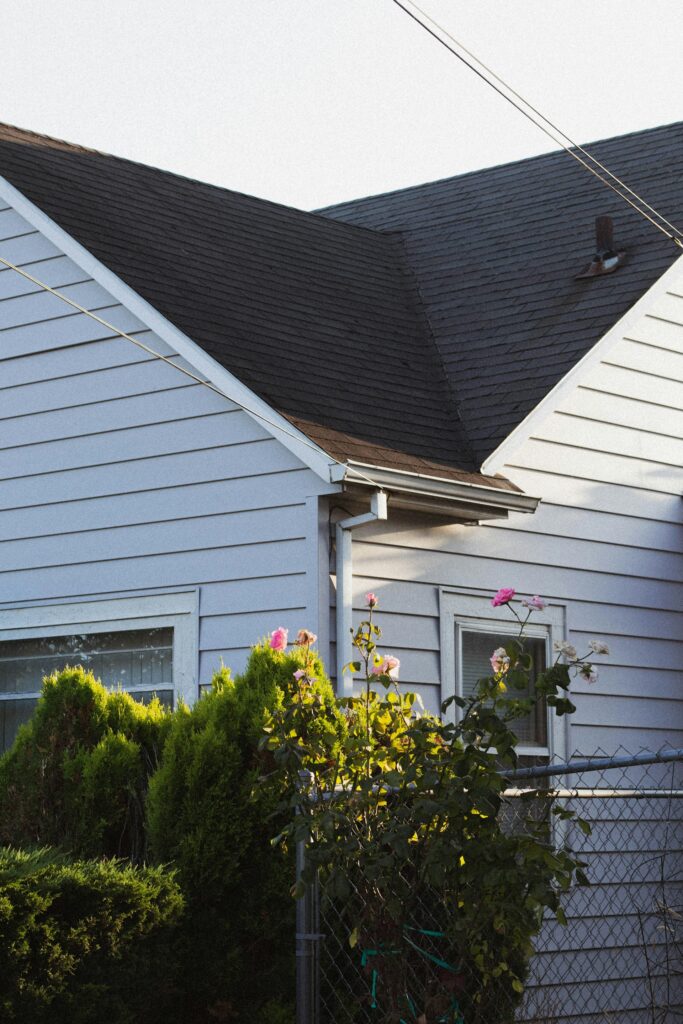
From the ground, check the roof for obviously missing or damaged shingles, loose flashing, sagging areas, or debris that might have collected on the roof.
Inside the house, check the attic and upper-floor ceilings for signs of moisture.
A small stain doesn’t always mean there is an active roof leak, but it deserves attention, especially if it appears when it rains. Winter weather can turn a minor roof weakness into a much more serious problem, so finding something suspicious in fall gives you a chance to have it checked out before snow, ice, and freezing temperatures make it more difficult.
3. Make Sure Your Heating System Is Ready
The first truly cold night is a terrible time to discover that your furnace isn’t working.
Turn the heating system on before you absolutely need it. Listen for unusual sounds, and double check that warm air is reaching the rooms as expected.
Check the furnace filter, too, and swap it out based on the manufacturer’s recommended schedule. A dirty filter restricts airflow and forces your heating system to work much harder than it should.
If your heating system is due for professional maintenance, fall is the perfect time to schedule it.
Furniture, rugs, toys, and storage boxes can gradually find their way in front of (or on top of) heating vents. Walk through the house and make sure vents and return-air openings aren’t blocked — it takes only a few minutes and can help warm air circulate more effectively once temperatures drop.
4. Schedule a Fall Plumbing Check
Plumbing may not be the first thing that comes to mind when you think about fall, but colder weather can expose problems that were easy to ignore during summer.
Start with a simple walk-through of the house.
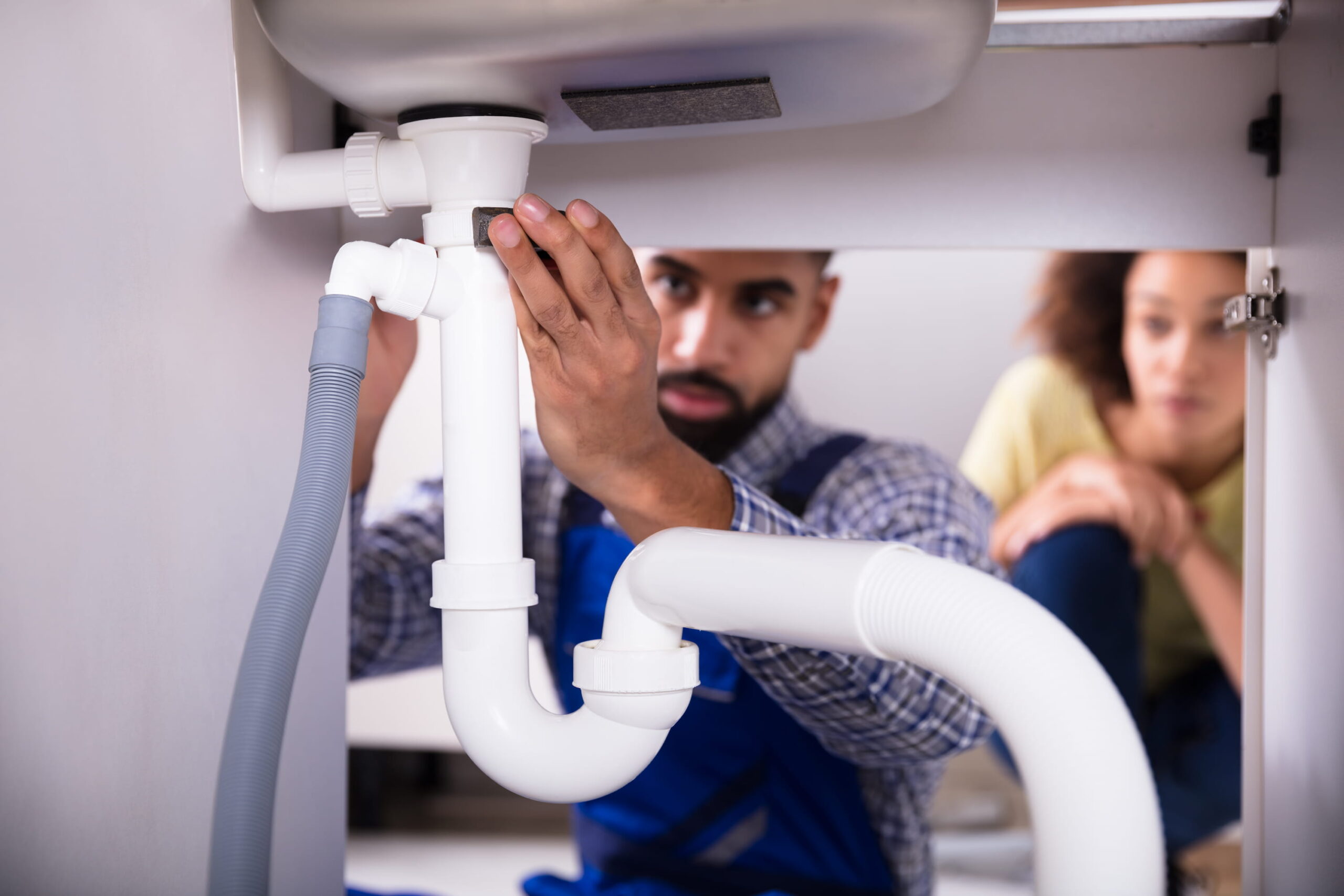
Check underneath sinks and around toilets for moisture. Pay attention to dripping faucets, slow drains, unusual water pressure, or signs of staining around plumbing fixtures.
If a drain has been repeatedly clogging or you’ve noticed unexplained moisture, fall is a good time to investigate rather than carrying the problem into winter.
Check Areas You Don’t See Every Day
Basements, utility rooms, and cabinets under sinks can hide slow leaks for quite a while.
Look for:
- Damp cabinet flooring
- Water stains
- Corrosion around visible connections
- Musty smells
- Unexpected moisture near plumbing equipment
The best time to deal with small leaks is before they damage flooring, cabinets, drywall, or other finishes.
5. Prepare Outdoor Faucets and Hoses
Once it’s cold enough to freeze, water left in vulnerable outdoor plumbing can become a big problem.
Be sure to disconnect garden hoses from exterior faucets before temperatures regularly fall below freezing.
If your home has dedicated shutoff valves for outdoor faucets, follow the appropriate winterization procedure for your plumbing system.
Outdoor kitchens, irrigation systems, seasonal sinks, and other exterior plumbing may also need attention depending on your climate and setup.
If you’re unsure what should be drained or shut off, that’s a good question to ask during a fall plumbing inspection.
6. Test the Sump Pump
If your home has a sump pump, don’t wait for a major storm or rapid snowmelt to find out whether it still works.
Check that the pit is reasonably clear and that nothing appears to be blocking the pump.
You should also make sure the discharge route is clear and able to direct water away from the home.
Homeowners who aren’t comfortable testing the system themselves can have it inspected professionally. Preventative maintenance is usually easier to schedule than an urgent repair.

7. Check Windows, Doors, and Weatherstripping
A small draft may not feel like a big deal on a mild fall afternoon, but you’ll notice it once the temperature drops.
Walk around windows and exterior doors and look for damaged caulking, loose weatherstripping, or visible gaps.
Pay particular attention to doors that no longer close tightly.
Sealing obvious drafts can make rooms more comfortable and keep your heating system from working harder than it needs to.
Don’t Forget the Basement
Basement windows and exterior doors deserve the same attention.
While you’re downstairs, look around window wells and foundation walls for evidence that water has been entering during heavy rain.
Fall is a good time to tackle drainage and moisture concerns before the freeze-and-thaw cycle begins.
8. Test Smoke and Carbon Monoxide Alarms
Seasonal maintenance is a good reminder to check the safety devices around your home.
Test your smoke and carbon monoxide alarms according to the manufacturer’s instructions, and replace batteries or units when required.
Check that alarms haven’t been covered, disconnected, or blocked during decorating or renovation projects.
It’s a small task, but it deserves a permanent place in your home maintenance routine.
9. Clean the Dryer Vent
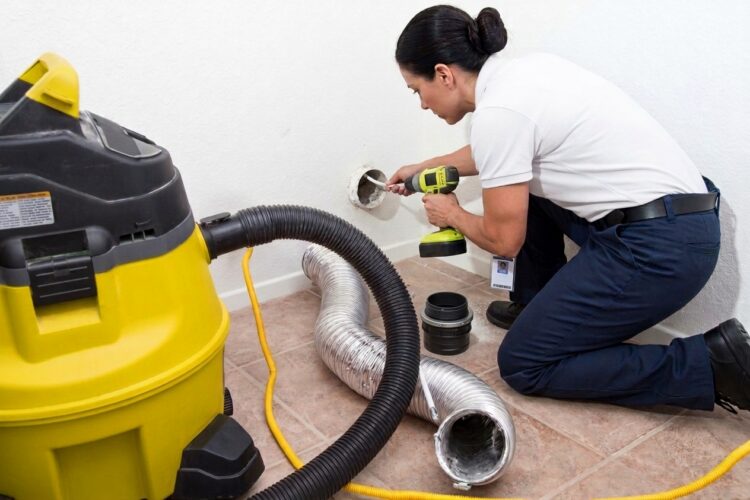
The lint screen isn’t the only part of your dryer that needs cleaning. Lint collects farther down the line too, in a part of the house you never actually see — which makes it easy to forget about entirely.
My husband and I let ours go for way longer than we should have. Our vent has a long run through the house, and by the time we finally had it professionally cleaned, the technician showed us just how packed it was. He didn’t sugarcoat it — that much buildup was a real fire risk. It’s on our calendar every year now, no exceptions.
If your setup is similar, with a longer run or one that’s hard to access, it’s worth having a pro handle it rather than guessing how far the lint has traveled. One check you can do on your own is to ensure that the exterior vent opens freely and isn’t blocked by leaves, bird nests, or other debris.
10. Walk Around the Outside of Your Home
One of the most useful home maintenance jobs doesn’t require any special equipment.
Simply walk around the property.
Look at the siding, foundation, windows, doors, stairs, railings, driveway, and areas where utilities enter the building.
You’re looking for changes rather than perfection.
A new crack, loose piece of siding, damaged seal, or damp area may be worth investigating.
While you’re out there, take a look at tree branches near the house too. Dead or damaged limbs can become more of a concern during winter wind, ice, or heavy snow, and any vegetation growing directly against the building can make it harder to inspect siding, drainage areas, and the foundation.
What Should Homeowners Prioritize First?
If your home maintenance list starts feeling overwhelming, focus first on problems that could affect safety or lead to water damage.
Heating problems deserve attention before temperatures fall. Active leaks and drainage problems shouldn’t be postponed. Roof damage, electrical concerns, and anything that could allow water into the home should also move toward the top of the list.
Cosmetic projects can usually wait.
This makes home maintenance much easier to manage. You don’t need the entire house to be perfect before winter. You just need the important systems to work properly, and you want to catch any developing problems before they get worse.
Create a Simple Seasonal Home Maintenance Routine
One reason home maintenance can feel overwhelming is that there’s always something that could be checked.
Instead of trying to remember everything throughout the year, create a simple seasonal routine.
Fall can become your reminder to:
- Prepare the heating system
- Check for leaks and drainage problems
- Clean gutters
- Prepare outdoor water connections
- Inspect weather seals
- Test household safety equipment
Keep notes about anything that may need another look in the spring.
You can even save the checklist in your phone or calendar and reuse it each year. Once seasonal maintenance becomes a habit, it tends to feel much more manageable.
Wrapping Up
A little fall upkeep now saves you from bigger headaches once winter hits. With a little time and effort, you can head into the colder months without worrying what might go wrong.
Clean the gutters, make sure the heat works, look for leaks, prepare outdoor plumbing, check drafts, and pay attention to anything that has changed since last season.
You may not find a single problem, and that’s always good news, but if you do notice something, dealing with it on a comfortable fall afternoon is usually much better than discovering it on a freezing winter night.
Also read:
How to Fix a Muddy Yard: 5 Simple DIY Solutions & Pro Solutions That Work
How to Create a Cozy Patio Space: 9 of Our Best Tips
Give Your House a Facelift: 7 Smart Ways to Update the Exterior of Your Home
You can also find MomsWhoSave on Facebook, Instagram, Pinterest, and Twitter. Join us for updates.
Don’t miss a thing! Subscribe to MomsWhoSave’s newsletter.
Leave a Reply