Last updated on May 23rd, 2026
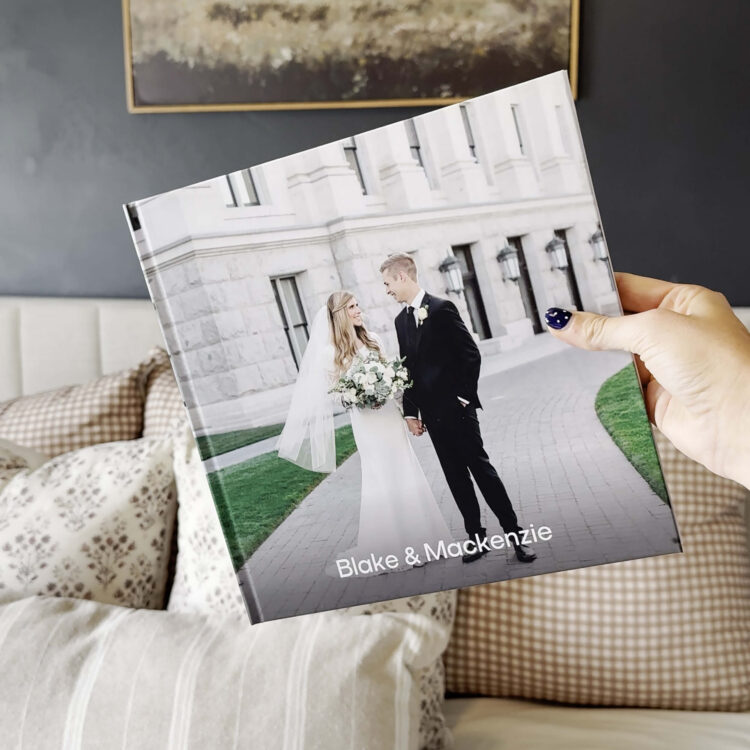
Why Printed Wedding Albums Still Matter in a Digital World
Not long after the wedding day and honeymoon trip are over, it’s all too easy for your professional wedding photos, candid moments from friends and family, and favorite photos from the honeymoon to end up scattered across phones, cameras, and social media.
For newly-married couples, creating custom wedding photo books can be a meaningful way to preserve one of the biggest days of your life. From choosing your favorite photos to designing layouts that reflect your style, the process gives you a chance to relive those memories while creating something you’ll enjoy for years to come.
In this guide, we’ll share practical tips, creative layout ideas, and simple ways to create a wedding album you’ll enjoy looking through for years to come.
While it’s easy to keep wedding photos stored on your phone or computer, there’s something special about having a printed album you can actually hold and look through. A physical photo book makes it easier to revisit those memories and share them with family and friends over the years.
Having a physical album also means you don’t have to rely entirely on digital storage–and if you’ve ever lost access to files or photos online, you know how devastating that can be!
Step-by-Step Guide to Creating Your Wedding Photo Book
Selecting and Organizing Your Photos
Begin by sorting your images into themed folders: preparations, ceremony, reception, and detail shots. Most weddings produce hundreds—sometimes thousands—of photos, so narrowing your selection to 50–100 standout images before any design work begins is essential. Label them sequentially to keep the layout process manageable.
One helpful tip is to focus more on candid moments and genuine emotions rather than including too many posed group shots.
Choosing the Right Format and Size
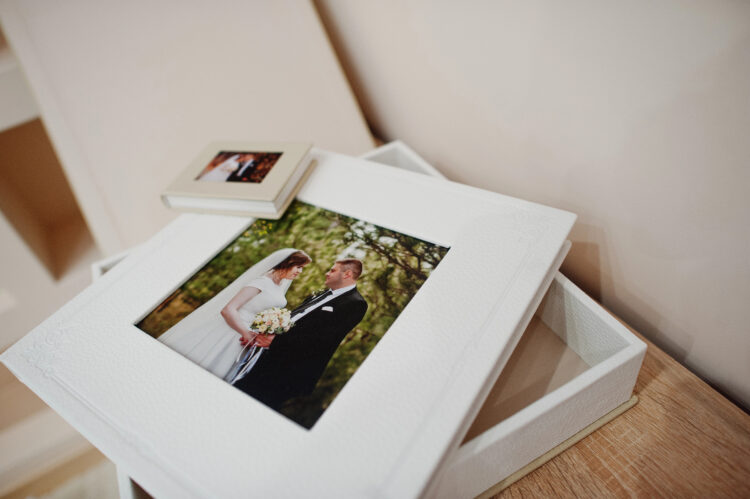
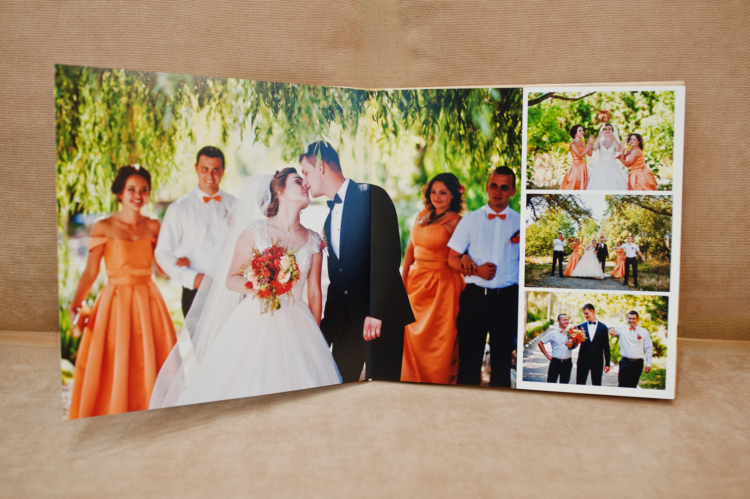
Large square albums (12×12 inches) work especially well for dramatic photo spreads, while smaller books can make thoughtful gifts for parents or grandparents. When in doubt, let the scale of your event guide the scale of your book. Many photographers recommend layflat albums because the pages open completely flat, which works especially well for panoramic shots and larger photo spreads.
If you want your wedding album to last for years, it’s also worth paying attention to the overall quality of the book. Sturdy pages and high-quality printing can help keep your photos looking their best over time.
Designing Spreads That Tell Your Story
Follow the day’s natural chronology: open with an establishing shot of the venue, move through the preparations, the first look, and ceremony spreads (three to five pages), then transition into family portraits before closing with the reception and dancing. Dedicating one full spread to details—florals, stationery, the cake—adds visual breathing room and honors the careful planning that so often goes unnoticed.
For balance, alternate between full-bleed images for dramatic effect and white-space layouts for a sense of intimacy. A vow excerpt or meaningful quote, used sparingly, can deepen the emotional resonance without cluttering the design.
Creative Ideas and Layout Inspiration
Incorporating Themes and Details
Think about organizing your book around an emotional arc rather than a strict timeline—opening with anticipation, building through the ceremony, and closing on joyful celebration. Or you might prefer a design-forward approach that highlights intricate details like attire and stationery that reflects the couple’s personal style in a way that feels just as authentic.
Personalizing Covers and Extras
A photo cover can make the album feel more personal, while linen or foil details add a classic look. End sheets—the interior pages just inside the cover—make an excellent home for panoramic pre-wedding shots, setting a dramatic tone for the rest of the album.
Common Pitfalls to Avoid
Overloading pages with too many photos is one of the most common mistakes couples make. A cleaner layout gives each image room to breathe and speak for itself. It’s also worth noting: always keep digital backups of your original files before committing to a final print order—replacements can be costly and, in some cases, simply impossible.

Preservation and Sharing Tips
Store completed albums in a cool, dry place away from direct sunlight to help prevent fading and wear over time. Using dust jackets or archival storage boxes can provide an extra layer of protection and help preserve your album for the future.
For family and friends who live far away, scanning favorite pages or spreads allows you to share the memories digitally while keeping the original album safely stored.
Some couples also continue adding to their albums over the years with anniversary photos, handwritten notes, or special milestones. This not only personalizes the keepsake even more, but also helps preserve family memories in one meaningful place that can be enjoyed for generations.
Final Thoughts
From careful photo selection to the layout and design process, creating a custom wedding photo book is a meaningful way to reflect on this important day. These albums do far more than organize images—they shape how a couple remembers and retells their story for years to come.
Gather your favorite photos, experiment with layouts, and think about which moments matter most to you. Then ask yourself: when you flip through these pages on future anniversaries, what story will your wedding album tell?
Also read:
7 Ways to Make Your First Anniversary Special
30 Mini Date Night Ideas for Couples + a Free Printable
You can also find MomsWhoSave on Pinterest, Facebook, Instagram, and Twitter. Join us for updates.
Don’t miss a thing! Subscribe to MomsWhoSave’s newsletter.
Leave a Reply