Last updated on January 20th, 2026

The open-plan design is one of the most popular home layouts for families, and it makes total sense.
Everyone can be together without being on top of each other. You can cook dinner while keeping an eye on the kids. The whole family can chat without feeling boxed in.
But there’s a downside—large open areas can feel kind of disconnected and uninviting. Making your space feel cozy takes some effort.
Luckily, there are a few simple tricks that’ll turn any open floor plan into a warm, welcoming home.
Why Open-Plan Living Works for Families
Open-concept layouts have been popular for years now. And they’re still sought after by buyers who want communal family spaces.
Here’s why families love them:
- You’re better connected to everyone, and you can more easily keep an eye on the kids
- An open-plan layout feels more spacious
- This layout is much more flexible
- There’s more natural light
The downfall of open-plan living though is that these spaces can feel large and empty. Space to move around is great, but your home also needs to feel cozy.
Setting up “zones” is one way to make your space feel more comfortable.

Create Zones to Define Your Space
If you’ve watched any home makeover shows, you might have heard the term “zoning.” It’s basically creating separate spaces without putting up walls.
You designate different areas for different purposes—an eating zone, seating zone, maybe a play zone for the kids.
The best part? You can do this on a budget. There’s no need for an expensive renovation. You just use your furniture and decor strategically.
Now, let’s take a look at some of the best ways to zone an open living area, keeping in mind how your family actually uses the space. Do the kids need a homework station? Does someone work from home and need a quiet corner? Maybe you need a reading nook or a spot for arts and crafts. Once you identify these needs, zoning becomes much easier and more functional.
Use Area Rugs to Zone Living Areas
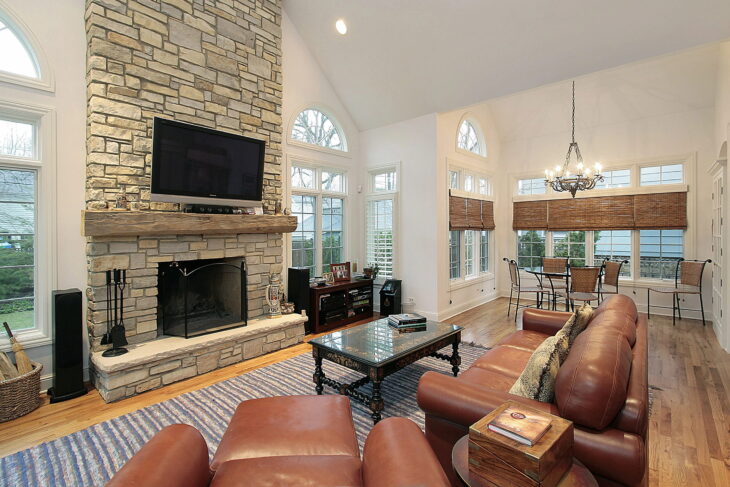
A large rug is hands down one of the easiest ways to define a space. Rugs don’t just provide comfort underfoot—they anchor furniture and help separate rooms visually.
Here’s how to use rugs for zoning:
Pick out a rug for each zone or area. For larger spaces, an extra large rug 300 x 400 cm (or 10 x 13 feet) is perfect. You can also use smaller rugs to define pathways or accent pieces like side tables.
You’ll notice immediately how a rug defines the space—furniture sitting on top of it instantly feels like it belongs together.
When shopping for rugs, consider durability, especially if you have kids or pets. Look for materials that can handle spills and heavy foot traffic. Wool and synthetic blends are great choices. And don’t worry too much about matching everything perfectly—mixing rug styles can actually add character to your space.
Arrange Your Furniture Strategically
How you arrange your furniture makes a huge difference in how cozy your space feels.
Here’s the number one rule for an open-plan space:
Float your furniture—don’t push it against the walls.
I know it sounds backwards, but pushing everything against the walls actually makes rooms look smaller. When furniture floats away from the walls, people can cluster together and create intimate conversation areas.
Here are some placement tips:
- Face sofas inwards – Position your sofa to face other seating. Pull it away from the wall instead of pushing it against it.
- Create conversation areas – Arrange seating at angles so people can face each other comfortably.
- Add a coffee table – Place one in the middle of your seating area to bring everything together.
- Don’t forget side tables – They should be reachable from every seat.
- Angle your chairs – Instead of lining them up in a row, position them at an angle.
These small changes can make a big difference.
Layer Your Lighting
Lighting can also help make your open-layout home feel more comfortable and cozy.
Here’s the mistake most people make: they use a single overhead light to illuminate the entire room. This can be too harsh and makes the room feel like a lecture hall. Not exactly inviting.
The fix? Use multiple light sources in each zone. Hang pendant lights over dining areas, and add floor lamps for softer, layered light. Table lamps on side tables create pools of warm light that make seating areas feel intimate. Dimmer switches are also game-changers—they let you adjust the mood depending on the time of day or activity. Aim for three different light sources per zone. This gives you control and keeps the space from feeling flat or one-dimensional.

Choose Textures and Warm Colors
The colors and textures you choose can make or break the cozy factor in your open plan space.
Warmer and earthy tones work best for creating that inviting feeling. Deep reds, oranges, and browns wrap around you like a warm hug. Think rust-colored throw pillows, terracotta accents, or a warm wood coffee table.
And don’t forget, texture matters just as much as color.
The more layers you add, the cozier your space feels. Throws draped over sofas, plush cushions, textured rugs, woven baskets—all of these add depth and warmth. Don’t be afraid to mix materials like linen, velvet, wool, and cotton.
These details make a home feel welcoming and cozy.
Personalize With Photos and Decor
This tip is simple but often overlooked. Your family makes your home feel like a home!
Fill your space with things that matter to you—family photos, your kids’ artwork, personal mementos. Children especially love seeing their art displayed on the walls. You can even dedicate an area to puzzles, games, and family crafts.
House plants are also fantastic for adding life to open spaces. Place a few in corners around your furniture groupings.
Wrapping Things Up
Open-plan living lets everyone enjoy time together without feeling cramped, and making your open-concept home feel cozy isn’t too difficult. Here’s how:
- Separate your space into zones
- Use large rugs under furniture groupings
- Float furniture away from walls
- Layer your lighting
- Choose textures and warm colors
- Add decor that means something to you and your family
Follow these tips and you’ll be well on your way to creating the perfect home for your family.
Also read:
How to Create a Cozy Home on a Budget: 6 Tips
DIY Gallery Wall Guide: The 5-Step Process Anyone Can Master
How to Create a Cozy Patio Space: 9 of Our Best Tips
You can find MomsWhoSave on Facebook, Instagram, Pinterest, and Twitter. Join us for updates.
Don’t miss a thing! Subscribe to MomsWhoSave’s newsletter.
Leave a Reply