Last updated on August 6th, 2026
Knowing how to store sage for smudging or cooking means you’ll never lose a bundle or a handful of leaves to mold or fading flavor again.
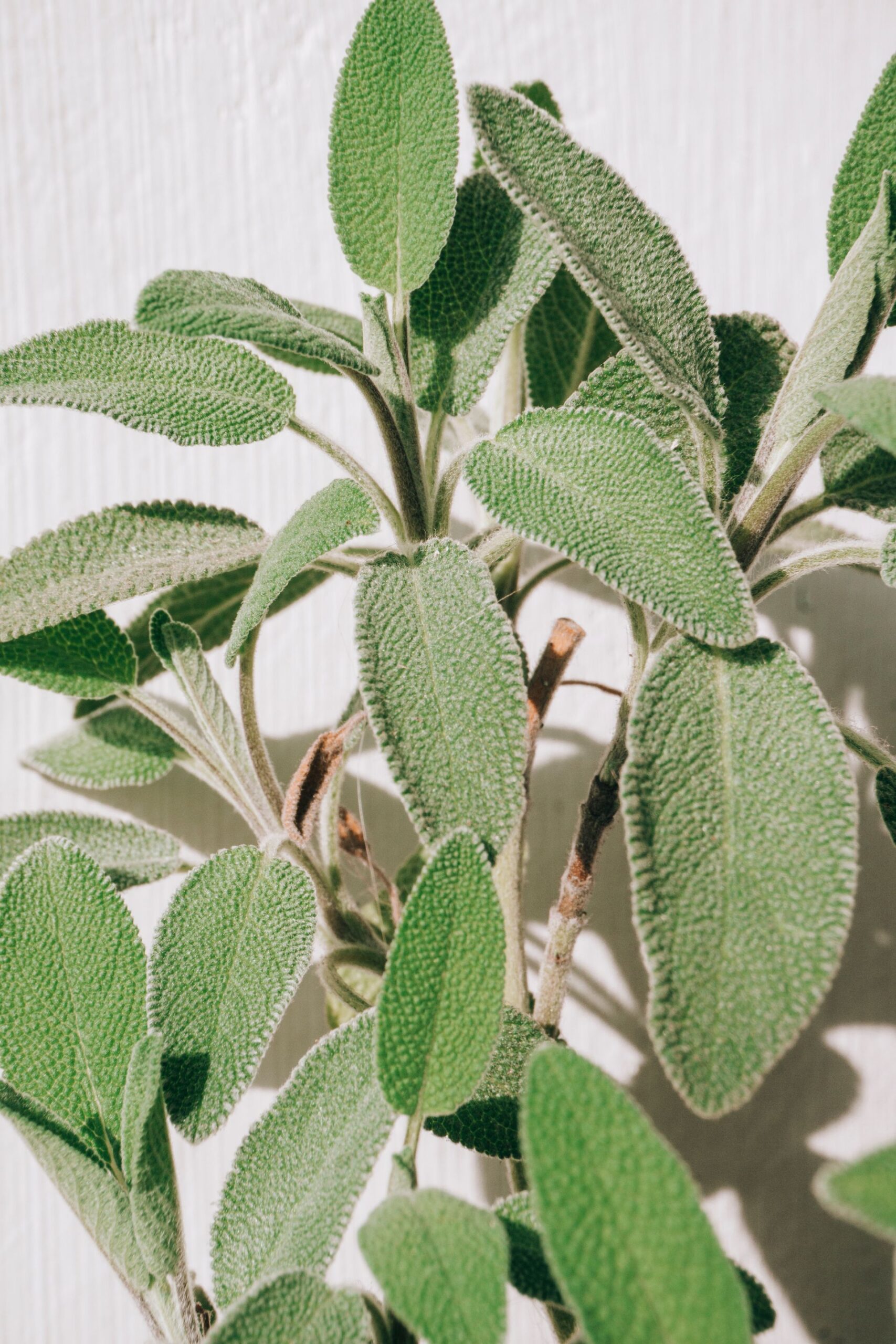
If there’s one herb that pulls double duty, it’s sage. Whether it’s for a smudge stick or you’re browning it in butter for pasta, how you store it matters.
Here’s everything you need to know about storing sage properly, so you get the best flavor and aroma — or that clean-burning quality a good smudge stick needs.
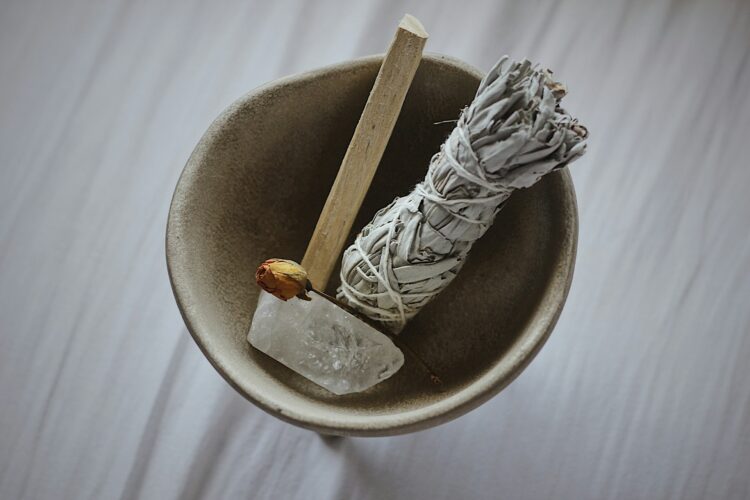
How to Store Sage for Smudging
Smudging has become a popular practice well beyond its origins, so let’s talk about where it actually comes from.
People smudge, or burn dried sage bundles, to clear stale energy from a space, mark a fresh start, or simply settle a room before meditating or praying.
Smudging is a sacred practice in many Indigenous communities across North America, and the sage most associated with it is white sage (Salvia apiana), a different plant than the common garden sage (Salvia officinalis) most of us grow or buy for cooking.
White sage has been overharvested in the wild to meet commercial demand, which has made it harder for the Native communities who rely on it for ceremonies to access it themselves.
If you want to smudge, garden sage works just as well and doesn’t put pressure on a wild, culturally significant plant. If you do buy white sage specifically, look for a supplier who sources it sustainably.
Making Your Own Smudge Stick
• Gather fresh sage stems and leaves (garden sage from your own plant works great, and costs you nothing).
• Bundle the stems tightly together. You can mix in other fragrant herbs like lavender or rosemary if you’d like.
• Wrap cotton string tightly around the bundle from one end to the other, tying it off with enough string left to hang the bundle upside down.
• Hang it in a cool, dry, well-ventilated spot for one to two weeks until it’s completely dried out.
Storing a Finished Smudge Stick
Once it’s dry, keep your smudge stick in a cool, dark place, like a drawer or cabinet away from direct sunlight and humidity. An airtight container or a paper bag both work fine.
Stored this way, a smudge stick will stay usable for months, though the fragrance will be strongest in the first few. To use it, light the tip, let it smolder (blow out any flame), and let the smoke drift through the room.
How to Store Sage for Cooking
Fresh sage is at its best used within a week or two of buying or harvesting it, but there are a few good ways to stretch that out.
Short-Term Storage (refrigerator)
• Damp paper towel method: Rinse the leaves gently, wrap them in a damp paper towel, and tuck them into a resealable bag with the air pressed out. Stored in the crisper drawer, sage will keep this way for one to two weeks.
• Water glass method: Trim the stems and stand the sage upright in a glass of water like a small bouquet, then loosely cover the leaves with a plastic bag. Keep it in the fridge, and it’ll last about as long as the damp towel method, sometimes a bit longer.
Long-Term Storage
• Freezing: Chop the leaves and pack them into an ice cube tray, filling each section about halfway. Top with water or olive oil and freeze. Once solid, pop the cubes into a freezer bag. Keep them frozen until you’re ready to use them, and they’ll drop right into soups, sauces, or a hot skillet. Sage frozen this way holds its quality well for up to a year.
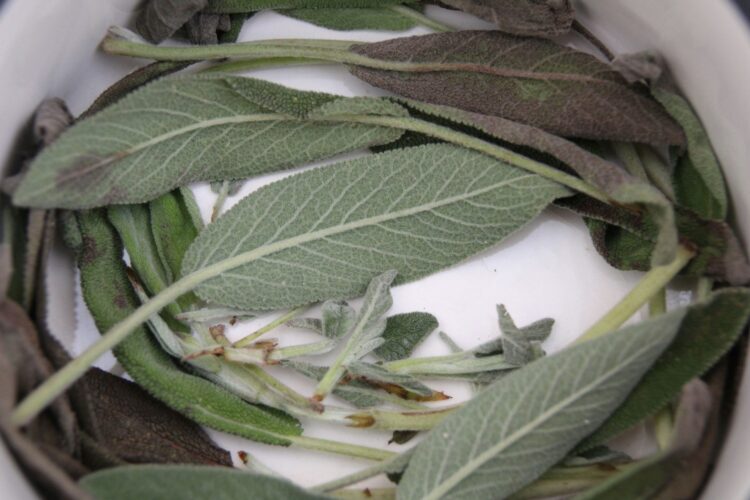
• Drying: Bundle the stems and hang them upside down somewhere cool, dry, and well-ventilated, the same as you would for a smudge stick. It takes about a week or two to dry fully. Once dry, crumble the leaves and store them in an airtight glass jar out of direct light.
Storing Dried Sage
Dried sage doesn’t really go bad the way fresh produce does, but it does lose potency over time. Kept in an airtight container in a cool, dark spot like a pantry or cabinet, dried sage holds its flavor well for about a year. According to Healthline, it can still be usable for up to three years, though it’ll be noticeably milder by then.
Of course, most people don’t dry their own sage — they buy a little jar of it at the grocery store. One of the best ways to save money here is to skip that jar altogether. Garden sage is a perennial in most climates, meaning one small plant from the garden center will keep coming back and producing leaves for years. Between fresh sage for cooking and extra stems for smudge sticks, a single plant more than pays for itself.
Popular Recipes Featuring Sage
Once you’ve got sage on hand, here’s how to use it.
Two of my own favorites are this poultry herb blend, a five-ingredient homemade seasoning built around sage, thyme, and rosemary that beats anything you’ll find pre-mixed at the store, and these lentil cakes, which turn into a dead ringer for breakfast sausage patties with just a pinch of sage and thyme mixed in.
You can also try these ideas:
• Sage and butter pasta: Fresh sage leaves crisped in butter, tossed with pasta, and finished with Parmesan.
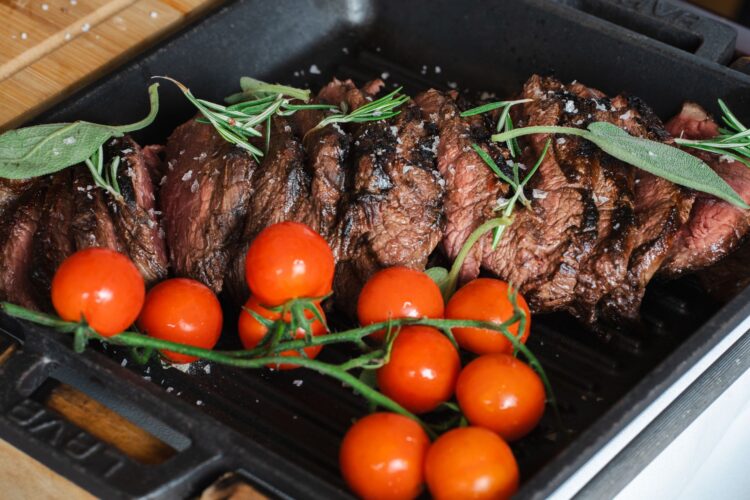
• Grilled steak with sage and rosemary: Sliced steak garnished with fresh sage leaves, rosemary, and vine-ripened tomatoes.
• Sage-roasted chicken: Roast chicken with sage, garlic, and lemon.
• Pumpkin sage soup: A cozy fall favorite where sage balances the sweetness of pumpkin.
• Sage and sausage stuffing: A holiday table staple.
• Sage-infused olive oil: Warm olive oil with fresh sage leaves for a drizzle over salads, roasted vegetables, or bread.
• Butternut squash with sage and brown butter: A classic pairing with roasted squash.
• Sage tea: Steep fresh or dried leaves for a warm, calming cup.
The Bottom Line
Once you know how to store sage for smudging or cooking, you’ll always have it ready when you need it. And if you plant your own, you’ll have a steady, free supply for years to come.
Also read:
How to Store Fresh Herbs: A Few Simple Tips
Make Your Own Delicious Poultry Herb Blend (It’s Perfect for so Many Dishes)
Lentil Cakes (With Homemade Garlic Sauce)
You can also find MomsWhoSave on Pinterest, Facebook, Instagram, and Twitter. Join us for updates!
Don’t miss a thing! Subscribe to MomsWhoSave’s newsletter.
Leave a Reply