Last updated on November 9th, 2026
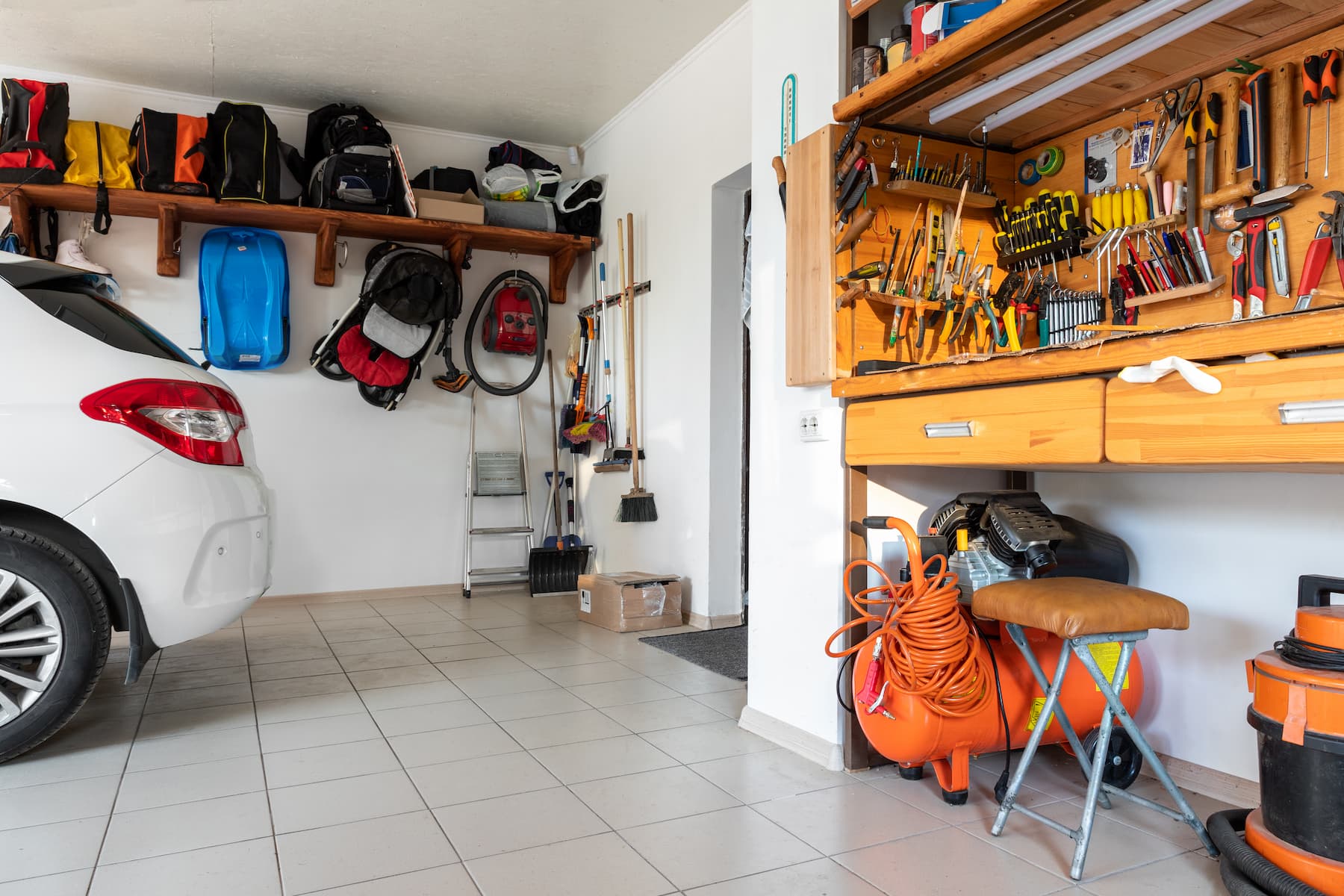
Managing a family budget usually means comparing grocery prices, cutting subscriptions, and planning meals. But there’s another place to save that a lot of us overlook: the stuff we already own.
Power tools, camping gear, party supplies, and sports equipment often get used a few times a year and then sit in the garage. That makes you wonder. Would it be cheaper to borrow or rent some of these things instead of buying them? Could the things you already own bring in a little extra money? And could sharing with neighbors help everyone spend less?
Here’s how to figure out when it makes sense to buy, when to rent, and when to share.
Think About How Often You’ll Actually Use It
Before you buy an expensive household item, be honest about how often your family will use it.
A carpet cleaner might come out once or twice a year. A pressure washer may only see action during spring cleanup. Camping gear can spend most of the year in a bin between trips.
Owning these things is convenient, but it comes with strings attached:
- You need space for them in the garage, closet, or basement.
- You pay for repairs and maintenance.
- You replace parts and accessories that break or go missing.
- The resale value drops every year they sit there.
Compare the True Cost of Renting vs. Buying
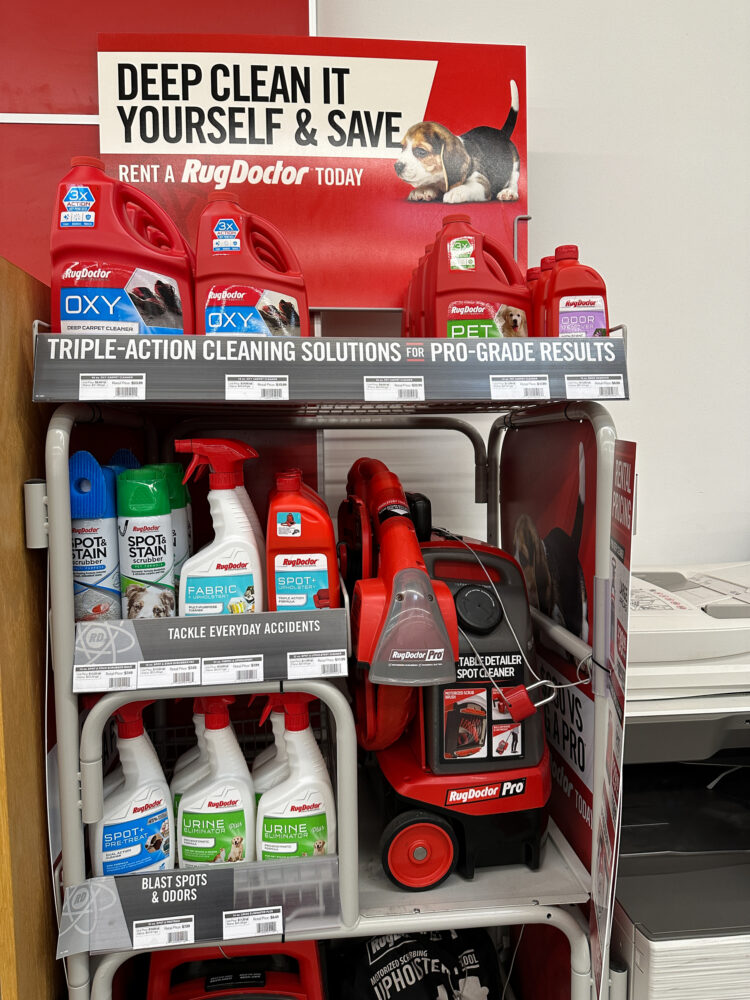
Here’s how renting versus buying household items plays out with a common example. Take carpet cleaning. Rug Doctor’s recommended rate is $39.99 for a 24-hour rental (see the price chart below). If you clean your carpets twice a year, that’s about $80 a year, plus cleaning solution. Over three years, you’d spend around $240 just on rentals.
If you can buy a home carpet cleaner for less than that and have a place to store it, buying may come out ahead. If you only clean once a year or you’re short on storage, renting usually wins. Actual costs depend on the item, how long you rent it, where you live, and any extra fees.
Real Rental Prices for Common Household Items
Here’s what a few US rental providers charge for common items:
| Household Item | Published Rental Price | Rental Provider |
|---|---|---|
| Carpet cleaner | From $39.99 for 24 hours | Rug Doctor by BISSELL |
| 6-foot folding table | $9 per day | Ray’s Rentals (Dallas–Fort Worth) |
| 6-foot folding table | $12 per day | AP Reliable Rentals (Minneapolis–St. Paul) |
Prices checked November 2026. Rental rates vary by location and can change, so confirm the current price with your local provider before you decide.
Watch for extra charges. Carpet cleaner rentals can add costs for cleaning solution, a refundable deposit, or a late fee if you bring the machine back after your rental window.
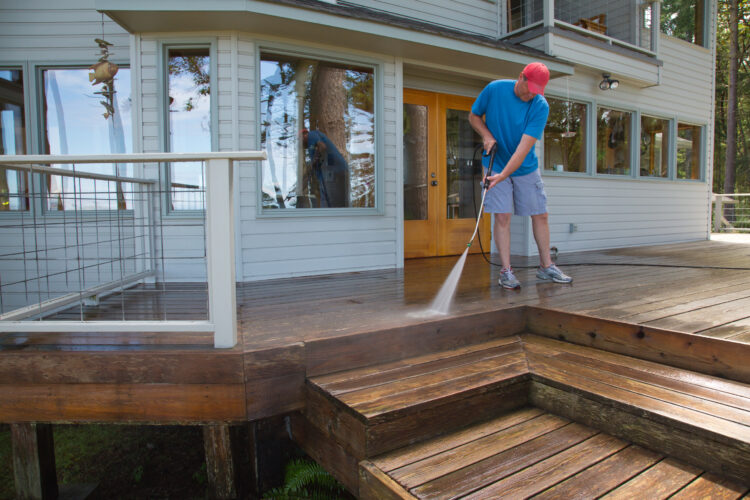
Pressure washers are another item many families only need now and then. Home improvement stores often rent them by the day, so you can compare that quote with the cost of buying one. Either way, confirm the total price with your local store so you can make a smart decision.
Do the Math
A quick comparison makes the decision easier.
Buying: purchase price + maintenance + storage − what you could sell it for later.
Renting: rental charges + fees + the cost of picking it up and returning it.
Let’s say you’re hosting two birthday parties this year and need extra folding tables for both. At a rental rate of $9 per table per day, four tables for two separate days would cost $72.
If you host big gatherings often, buying the tables might make more sense. But if you’re short on storage space, renting could be the better option. It comes down to how often you’ll use the item, how much you value having it on hand, and whether affordable rentals are available near you.
Buy Secondhand Before You Buy New
If you decide owning something makes sense, that doesn’t mean you have to pay full price. Many things families buy for occasional use, like folding tables, camping gear, tools, and bikes, turn up secondhand in good condition. Often it’s because another family is clearing out the same kinds of things this article talks about.
Good places to look include Facebook Marketplace, local Buy Nothing groups, thrift stores, kids’ resale shops, yard sales, and Habitat for Humanity ReStores, which carry furniture, appliances, tools, and home improvement supplies.
Before you buy, test anything with a motor or a plug, look up recalls, and skip used safety items like car seats and helmets. There’s more on that in the safety section below.
Put the Stuff You Already Own to Work
The same thinking applies to what’s already in your garage, closets, and spare room. Maybe it’s folding chairs from a birthday party, garden tools you use a few times a year, or gear for a sport nobody plays anymore.
Before you buy more storage bins or let those things gather more dust, you have a few options.
Sell What You No Longer Need
Selling works best for things you’re not likely to use again. Outgrown bikes, duplicate small appliances, furniture, and leftover hobby gear can still be worth something to another family.
Selling also clears out clutter, and you no longer have to maintain those items. Before you list something, look up what similar used items are selling for, check the condition, and set a fair price.
Where to Sell Your Stuff
The best place to sell depends on what you have.
Facebook Marketplace works well for furniture, bikes, baby gear, and anything bulky that’s easier to sell locally than to ship. For local sales, buyers pick up, so there’s no packing or postage.
Kids’ resale shops like Once Upon a Child buy gently used kids’ clothes, toys, and gear and pay you on the spot. You won’t get as much as you would selling items one at a time, but you can clear out a whole bin in one trip.
Seasonal consignment sales at your local community center or church let you price your own kids’ items, and you keep a percentage of whatever sells. They’re a good fit if you have a lot to sell and don’t mind the prep work.
Consignment and resale shops for adult clothing and furniture work the same way. The store handles the selling and takes a cut.
And yard sales are still the easiest way to move a lot of small, inexpensive items in one weekend.
Wherever you sell, clean the item, take clear photos in good light, be honest about any wear, and price it to move if your main goal is clearing space. Always keep personal information to a minimum when arranging pickups.
How to Earn Extra Money by Renting Out Household Items
Not everything needs to be sold. Some things are still useful to you but only once in a while. You might want to keep your camping gear for your annual trip but let other people use it the rest of the year.
Renting out the right items can bring in some extra money while you keep ownership. It does take some planning, upkeep, and a clear sense of what it costs you.
Which Household Items Rent Well?
Items that cost a lot to buy but are only needed for a short time tend to be popular:
- Tools and cleaning equipment: Drills, pressure washers, carpet cleaners, and other gear for occasional home projects.
- Party supplies: Folding tables, chairs, coolers, and large decorations for birthdays and family gatherings.
- Camping gear: Tents, camping chairs, and outdoor cooking equipment for weekend trips.
- Lawn and garden tools: Equipment for seasonal yard work.
- Photography equipment: Cameras, tripods, and accessories for events or one-off projects.
How to Set a Fair Rental Price
Your price should appeal to renters and still cover your costs. Start by checking what local rental stores and other individual owners charge for similar items.
Think about what you paid, the current condition, what it would cost to replace, and how often you expect to rent it out. For example, if you charge $25 a day for your pressure washer and rent it four times, you’ll bring in $100.
That’s not $100 in profit, though. Cleaning, maintenance, platform fees, transportation, and repairs all come out of it. Depending on demand in your area, you might also offer separate daily and weekend rates.
Look Into Rental Platforms and Their Fees
Community rental platforms like Life4Rent let you rent out items to people nearby. Local Facebook groups and Nextdoor are other ways to find renters in your area.
Before you pick a platform, read its current terms and know what it costs. That can include listing fees, service fees, payment processing fees, optional protection plans, or other transaction charges. Some platforms charge owners and renters differently.
Also check how payments work, how disputes get settled, and what happens if something comes back late or damaged. A rental that looks profitable at first can be less worth it once all these costs are added in.
Is Income From Renting Household Items Taxable?
If you earn money renting out your belongings, don’t forget about taxes.
According to IRS Publication 525, income from renting out personal property, such as equipment, generally has to be reported. How you report it depends on whether your rental activity counts as a business.
If you rent things out regularly as a business, you’d generally report the income on Schedule C. If it’s not a business, it generally goes on Schedule 1. The rules for deducting expenses also depend on which category you fall into.
Keep records of rental payments, platform fees, maintenance costs, and other expenses to make tax time easier. Check current IRS guidance or talk to a tax professional about your specific situation.

Donate Things That Could Help Someone Else
Donating gently used clothes, toys, books, and household basics supports local charities and frees up space. For lower-value items, donating is often easier than juggling a bunch of small sales.
Before you load everything up for the nearest donation drop-off, look around your community. A local women’s shelter may need household items, kids’ clothes, or toiletries. Many churches run thrift stores that fund programs like addiction recovery or food pantries. Schools and daycares are often happy to take toys and books. I always like to give locally so I can choose a cause I care about and see my donation help people close to home.
If you don’t have a good local option, Goodwill and the Salvation Army are in most areas and take a wide range of household items. Habitat for Humanity ReStores accept furniture, appliances, and building materials.
Whichever you choose, ask for a donation receipt if you itemize deductions on your taxes.
How Sharing With Neighbors Helps Everyone Save
Sharing isn’t a new idea. Neighbors have been borrowing tools, passing down kids’ clothes, and helping each other with projects for generations. Apps and neighborhood groups just make it easier to connect.
Say you need a tall ladder to clean your gutters once a year. Buying one means spending money and finding somewhere to store it. Borrowing one from a neighbor is often simpler.
Or maybe you’re trying gardening for the first time. Borrowing tools lets you see if you like it before buying your own. Sharing like this cuts down on unnecessary purchases, keeps useful things in use longer, and helps you get to know your neighbors.
Free Ways to Borrow and Share Household Items
Renting isn’t your only option. Many communities have free programs that let you borrow what you need.
Library of Things Programs
Most of us think of the library for books, but some libraries also lend household equipment, games, electronics, and more. These collections are often called a Library of Things.
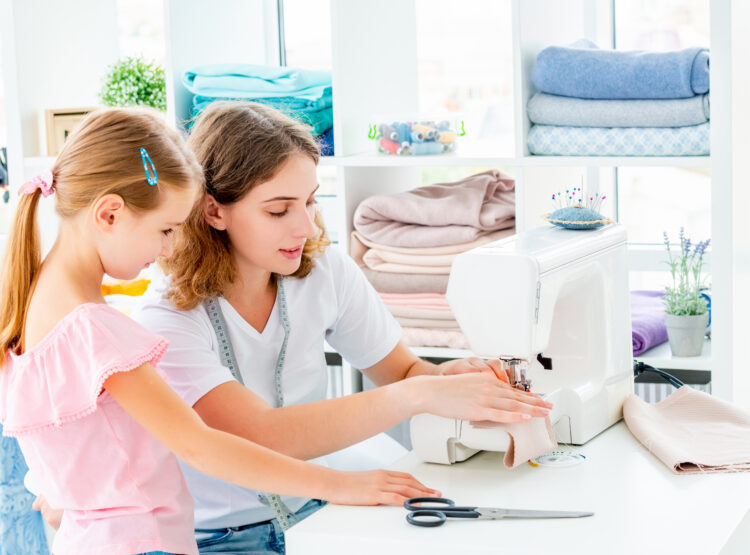
For example, the Boston Public Library’s Library of Things lets adult and teen cardholders borrow items like sewing machines, fishing poles, and telescopes. Loans last 14 days with no renewals, and borrowers pay replacement costs for anything lost or damaged through misuse.
Check your local library’s website to see what it offers. Loan periods, card requirements, and replacement fees vary from library to library.
Community Tool Libraries
Tool libraries let local residents borrow equipment for home improvement, gardening, and other projects. Depending on the program, you might find hand tools, power tools, or specialty equipment that would be pricey to buy. Some are free, while others charge a membership fee or a refundable deposit.
Look for a tool library near you before buying equipment for a one-time project. Be sure to check borrowing limits, who’s eligible, and return policies.
Buy Nothing Groups
Local Buy Nothing groups are another way neighbors share. Many communities have Facebook groups where people offer things they no longer need or ask for things they do.
The Buy Nothing Project encourages giving, asking, lending, and borrowing with no money involved. You might post asking whether anyone has a wheelbarrow for a weekend project.
What’s available depends on the group. Follow the group’s rules and use common-sense safety when you meet up.
Safety Tips Before You Share Household Items
Renting and sharing can be really convenient, but not everything you own is a good fit. Safety and clear communication come first.
Inspect everything carefully. Look for damage, missing parts, electrical problems, or anything else that could make an item unsafe.
Check for recalls. This matters most for kids’ gear, electrical appliances, and anything with moving parts. You can search recalls on the US Consumer Product Safety Commission website.
Skip safety-critical items. Car seats, helmets, and some baby products aren’t a good fit for casual sharing, since their safety depends on how they’ve been installed, used, and stored.
Agree on the details up front. Both sides should be clear on the rental period, how and when it comes back, cleaning expectations, and what to do if something gets damaged.
Check your insurance. Standard homeowners or renters insurance may not cover belongings you rent out to others. Review your policy and ask your agent.
Read the platform’s protection policy. If you use a rental app, look at its damage protection, liability coverage, deductibles, and exclusions before you list anything.
Document the condition. Clear photos and a written description help avoid disagreements later.
Meet in a public place for in-person handoffs. Many police stations have designated safe exchange spots.
Build Better Spending Habits Around What You Own
You don’t need to reorganize your whole house to start saving. Begin by pulling out anything you haven’t used in the past year. Sort it into keep, sell, donate, or share. Then use the same thinking before your next purchase.
Before buying something new, ask yourself:
- How often will we really use this?
- Could we borrow it from a neighbor or the library?
- Would renting it or buying it used cost less?
- Could something we already own bring in a little rental income?
- Is having it on hand worth the long-term cost?
The Bottom Line
Saving money doesn’t always take big lifestyle changes. Sometimes it starts with rethinking how you buy things and noticing what’s already in your home. Renting equipment you rarely need, buying secondhand, using free borrowing programs, and skipping purchases that would mostly sit unused can all cut down on spending.
Selling what you don’t need or renting out the right items can also bring in a little extra money, as long as you factor in the costs and responsibilities. And sharing with neighbors helps other families avoid buying things they’ll only use once.
These ideas won’t fit every situation, but they’re simple ways to save money, earn a little extra, and make the most of the resources available in your community.
Also read:
26 Things to Sell Around Your House for Fast Cash
12 Places to Take Your Unwanted Items (Beyond the Thrift Store)
You can also find MomsWhoSave on Pinterest, Facebook, Instagram, and Twitter. Join us for updates.
Don’t miss a thing! Subscribe to MomsWhoSave’s newsletter.
Leave a Reply