Last updated on September 8th, 2025
Found your dream home but it needs major TLC? You’re not alone! Many families are turning to fixer-uppers to stretch their housing budget. The challenge is figuring out how to finance a fixer upper without putting your savings at risk.
With smart planning and the right loan strategy, that diamond in the rough could become your family’s dream home. Keep reading to learn how.
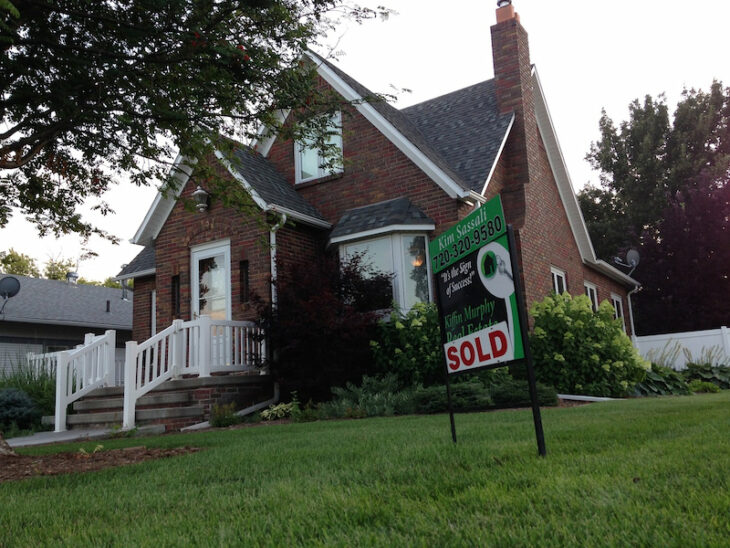
Step 1: Get Real About Renovation Costs
Before you fall head-over-heels for those “good bones,” you need cold, hard numbers. The average renovation cost runs between $15 and $60 per square foot, so that 1,200-square-foot home could need anywhere from $18,000 to $72,000 in work.
Smart budgeting moves:
- Get quotes from at least three licensed contractors for major work, being sure to clarify exactly what is and is not included
- Use online calculators for ballpark estimates on paint, flooring, and fixtures
- Don’t forget “invisible” costs like permits, inspections, and temporary housing
- Always add 20-25% for surprises—because there will be surprises
Pro tip from the trenches: Ask neighbors who’ve renovated recently for honest contractor recommendations and real-world cost breakdowns. They’ll give you the unvarnished truth about timeline delays and budget creep.

Step 2: Choose Your Financing
Every family’s financial situation is different, so here are the most popular renovation financing options:
FHA 203(k) Loans
Perfect for first-time buyers or those with smaller down payments. You can roll the purchase price and renovation costs into one mortgage. The catch? You’ll need to work with FHA-approved contractors and follow their guidelines to the letter.
Conventional Renovation Loans (Fannie Mae HomeStyle)
These offer more flexibility than FHA loans and work for primary homes, second homes, and investment properties. You can even do some work yourself, which appeals to handy families.
USDA Renovation Loans
If you’re buying in a rural area, USDA renovation loans let you finance 100% of both purchase and renovation costs with no down payment. For qualifying families, it can feel like hitting the jackpot.
Home Equity Line of Credit (HELOC)
Already own a home with equity? A HELOC works like a giant credit card backed by your house. You only pay interest on what you use, which makes it perfect for phased renovations.
Personal Loans
Quick to get but typically come with higher interest rates and lower borrowing limits. They’re best for smaller projects or when you need funds fast.

Step 3: Money-Saving Strategies That Actually Work
Even the small choices add up when tackling a fixer upper. Here are three budget strategies worth noting.
Hunt for rebates and incentives
Your utility company and state programs often offer rebates for energy-efficient appliances, windows, and insulation. Some families save thousands with no strings attached.
Shop smarter, not harder
- Check architectural salvage yards for unique, affordable materials
- Time major purchases around holiday sales (appliances during Black Friday, tools in spring)
- Look for returned or slightly damaged items at home improvement stores
- Consider gently used cabinets and fixtures from remodeling services
Negotiate like a boss
Get itemized bids from contractors, and ask about bundling multiple jobs for discounts. Some will reduce costs for flexible scheduling or cash payments..
Step 4: When Time is Money
In hot markets, the perfect fixer-upper won’t wait for lengthy mortgage approvals. Sometimes you need funding fast to beat other buyers.
Traditional renovation loans can take 45 to 60 days to process. If you’re racing against the clock, private money loans may be worth considering. These focus on the property’s potential value rather than your credit score, which can speed things up considerably.
Important reality check: Private money loans typically come with higher interest rates and shorter terms (usually 6 to 24 months). They’re designed as bridge financing while you secure permanent funding or complete renovations for a quick sale. Run the numbers carefully and have a clear exit strategy before signing.

Your Action Plan for Success
Create a realistic timeline with buffer time for delays, busy contractors, and those inevitable “while we’re at it” additions. Most lenders require a 15 to 20% contingency reserve for good reason!
Plan for family life during renovations. Living in a construction zone with kids requires backup plans for homework space, meals, and downtime. Consider staying with relatives during major phases like kitchen or bathroom overhauls.
Document everything with photos and receipts. This helps with insurance claims, future sales, and keeping contractors accountable.
The bottom line? A fixer-upper can be a fantastic investment for families willing to plan ahead. With the right budget, smart financing, and realistic expectations, you’ll be able to transform that diamond-in-the-rough property into the home you’ve always wanted. When you know the best ways to finance a fixer upper and keep your renovation budget under control, you’ll not only create your dream space but also build long-term equity for your family’s future.
Also read:
Budgeting for a Mortgage and Home Ownership: A Practical Guide for Parents
Building vs Buying a Home: Crunching the Numbers
How to Better Understand Your House Mortgage
You can also find MomsWhoSave on Pinterest, Facebook, Instagram, and Twitter. Join us for updates.
Don’t miss a thing! Subscribe to MomsWhoSave’s newsletter.
Leave a Reply