Last updated on September 22nd, 2026
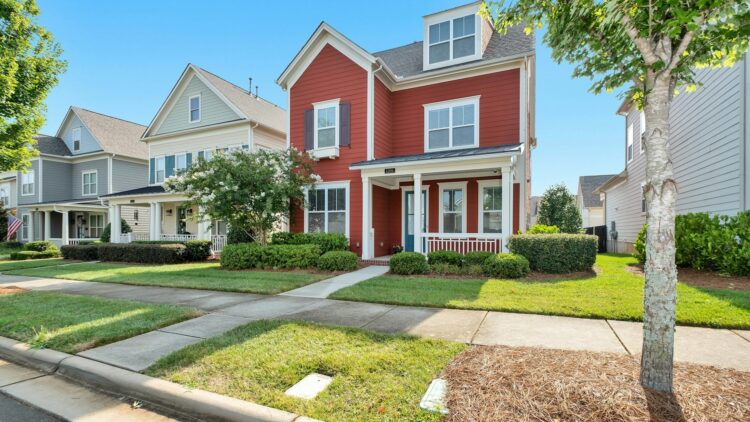
Why is my house worth less than my neighbor’s? It’s a question that sends many homeowners straight to Google after seeing a Zillow estimate, hearing a Realtor’s opinion, or receiving an appraisal that comes in lower than expected. The frustration only grows when a similar house down the street sells for more. It can feel like a punch to the gut.But before you assume something is wrong with your house, it helps to understand what these numbers actually measure, and why they rarely match up perfectly, even for houses that look nearly identical from the curb.

Why Is My House Worth Less Than My Neighbor’s? Know What The Numbers Mean
Not all home value estimates are created equal, and mixing them up is where most of the confusion starts.
- Zestimate. This is a computer-generated guess based on public records and recent sales, not a walkthrough of your actual home. Zillow’s own published data shows the median error rate is around 2 percent for homes currently listed for sale, but jumps to roughly 7 to 7.5 percent for homes that aren’t listed. On a $400,000 home, that 7 percent gap is close to $28,000. If you don’t have an active sale listing, you’re looking at the less accurate number.
- CMA, or Comparative Market Analysis. This is what a real estate agent puts together by hand, using recent sales of similar homes in your specific area, adjusted for things like condition, upgrades, and lot size. It’s more accurate than an automated estimate because a person is actually accounting for the differences between your house and the comps.
- Appraisal. This one’s an actual person walking through your house, usually because a lender needs it for a sale. It’s the only one of the three that has to factor in your home’s real condition, not just what’s on paper.
If your number seems low, the first question is which of these three you’re actually looking at, because they’re not interchangeable.

Why Your Number Might Be Lower Than Expected
There are a few common reasons a home’s “value” comes in lower than expected, and most of them have nothing to do with your house actually being worth less.
- The comps are outdated. If the similar homes used for comparison sold six months to a year ago, they may not reflect where the market has shifted since then, especially in a market that’s been cooling.
- Your neighbor’s upgrades aren’t public record. If a nearby home sold for more because it had a renovated kitchen or finished basement that never got reported to the tax assessor, an automated tool has no way of knowing that. It just sees two similar-looking houses and assumes similar value.
- Lot size, layout, or square footage differences. Homes that look alike from the street can differ significantly in usable square footage, lot shape, or floor plan, details that get lost in a quick online comparison but matter a lot to an appraiser or buyer.
- Condition and deferred maintenance. An automated estimate can’t see that your roof needs replacing or that the carpets are from the 1990s. It also can’t give you credit if your home is in excellent shape and a neighbor’s isn’t. This cuts both ways.
- Market timing. If comparable sales closed during a stronger stretch of the market, and pricing has softened since, a current estimate can legitimately come in lower even though nothing about your house changed.
If you’ve ever asked yourself why your house is worth less than your neighbor’s, you’re not alone — we’ve wondered the same thing. My husband and I have watched homes nearly identical to ours on paper sell for noticeably more than we’d expect ours to.
And though we’re not actively looking to sell right now, it’s the kind of thing worth understanding so we’re not caught off guard down the road.
Our first guess was that those homes must have been updated recently. It’s also worth remembering that when you move into a home with two kids, and then cover years of expenses and eventually college, updating the bathroom or kitchen tends to slide pretty far down the list.
That’s exactly the kind of thing an online estimate can’t see, and it’s a big reason those “identical” homes don’t sell for identical prices.
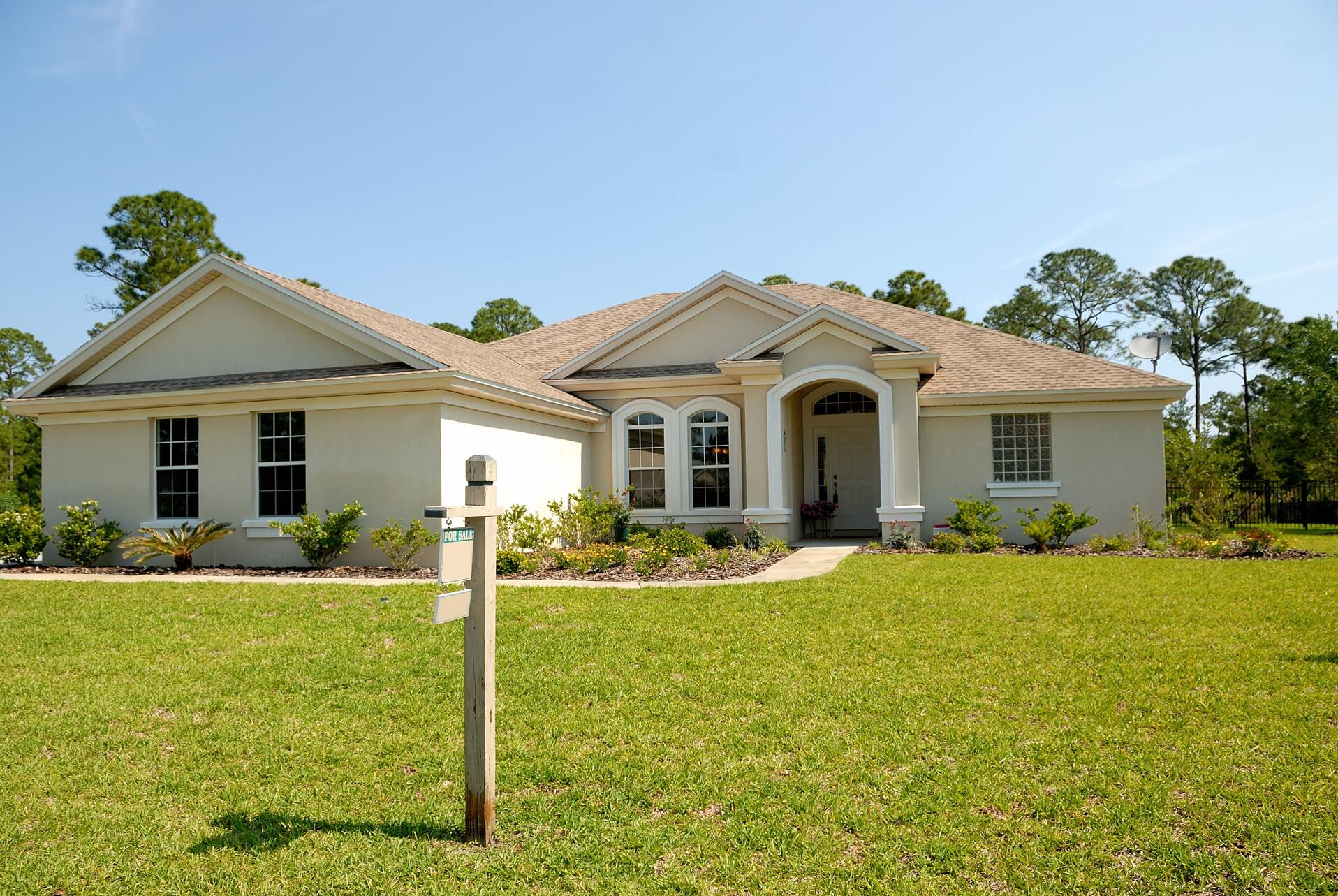
What’s Actually Happening in the Housing Market Right Now
It helps to know you’re not imagining a shift. Nationally, asking prices have been trending down year-over-year, marking the largest annual decline in list prices since Realtor.com began tracking the data. The national median list price sat at $430,000 in June 2026, about 2.5 percent lower than the year before.
At the same time, buyer activity hasn’t collapsed. Pending home sales rose 3.7 percent year-over-year, marking seven straight months of growth, and homes are selling at close to the same pace they did before the pandemic. Economists are describing this as a more balanced, functioning market rather than a weak one. Sellers are pricing homes more realistically from the start instead of listing high and cutting the price later, which is actually a healthier sign than it might feel like from the seller’s side.
The takeaway: if your estimate is lower than what a neighbor’s house sold for a year or two ago, that may simply reflect a market that has cooled slightly since then, not a problem with your property.

What You Can Do Before You List
- Get a second opinion, not just a second look. Ask two or three local agents for a CMA. It’s usually free, and it will give you a far more reliable number than any app.
- Update your online listing data. If Zillow or Redfin don’t know about a bathroom remodel or an added bedroom, update your home facts directly. It won’t fix everything, but it removes one easy source of error.
- Separate cosmetic from structural. A dated kitchen is a relatively cheap fix that can meaningfully move a number. A foundation issue or aging roof is a different conversation, and worth getting quotes on before you list so there are no surprises during a buyer’s inspection.
- Ask what the comps actually sold for, not what they were listed for. List price and sale price can differ a lot, especially in a market where buyers have more negotiating room.
- Don’t anchor to your neighbor’s number without the full story. Unless you know the exact condition, upgrades, and sale terms of that house, it’s not a fair comparison, no matter how similar it looks from the driveway.
Bottom Line
So, why is your house worth less than your neighbor’s? Most of the time, it’s outdated comps, a neighbor’s unreported upgrades, or a market that’s shifted, not a flaw in your home.
Before you make any pricing decisions, get a comparative market analysis from a local agent who can walk through your home and account for what an algorithm simply can’t see.
Have you noticed a gap between what your home is “worth” online and what similar homes nearby are actually selling for? We’d love to hear what you’ve found in the comments, especially if you’ve gone through an appraisal or CMA recently and can share what came up.
Also read:
How to Maintain Your Home on a Budget
10 Energy-Efficient Home Improvements That Will Save You Money
You can also find MomsWhoSave on Pinterest, Facebook, Instagram, and Twitter. Join us for updates.
Don’t miss a thing! Subscribe to MomsWhoSave’s newsletter.
Leave a Reply