Disclosure: Articles may contain affiliate links, which means we may earn a commission (at no additional cost to you) if you make a purchase through these links. As an Amazon Associate, we earn from qualifying purchases. See our full disclosure here.
Last updated on September 23rd, 2026
Have you looked around your parents’ or grandparents’ house lately and noticed things that would’ve been fine ten years ago but aren’t anymore? A rug that slides a little too easily, a dark hallway at night, a stool kept nearby for reaching the top shelf?
There’s nothing that feels like an emergency, but it’s worth thinking about how a few senior-friendly updates now could prevent a bigger problem later. And if you haven’t thought about any of this yet, remember: this is something all of us will face eventually, whether it’s a parent’s home today or our own down the road.
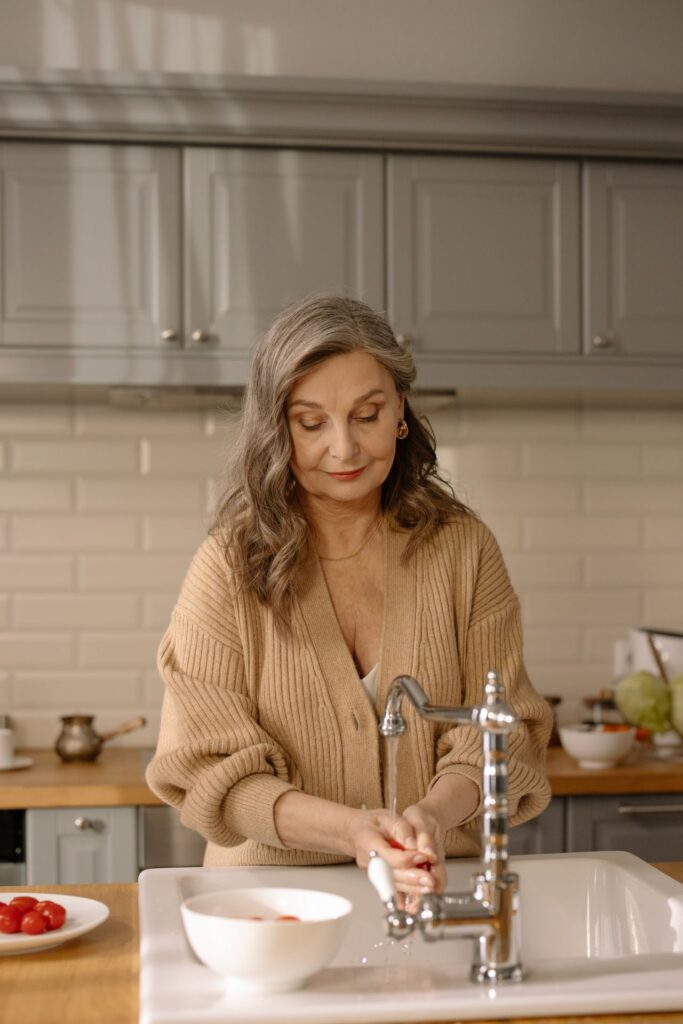
Part of caring for aging parents is making a few changes at home. As people get older, everyday tasks can become harder. Poor lighting, loose rugs, slippery floors, and high shelves can create risks that were easy to overlook before.
Creating a safer home doesn’t mean making it look like a medical facility. The goal is to make the space comfortable, practical, and easy to move through. A few thoughtful changes can help older adults stay independent while reducing the chance of falls and other accidents.
Today we’re sharing some senior-friendly ways to make a home safer for aging parents.
Improve Lighting and Add Nightlights
Good lighting is one of the easiest safety upgrades you can make, and it doesn’t cost much. Vision naturally changes with age, so dim rooms, dark hallways, and sudden shifts between light and dark can make everyday obstacles much harder to see.
Start with the rooms your parent or grandparent uses most: hallways, bedrooms, bathrooms, stairways, kitchens, and entryways. If any of these feel dim during the day, they’ll feel even darker at night.
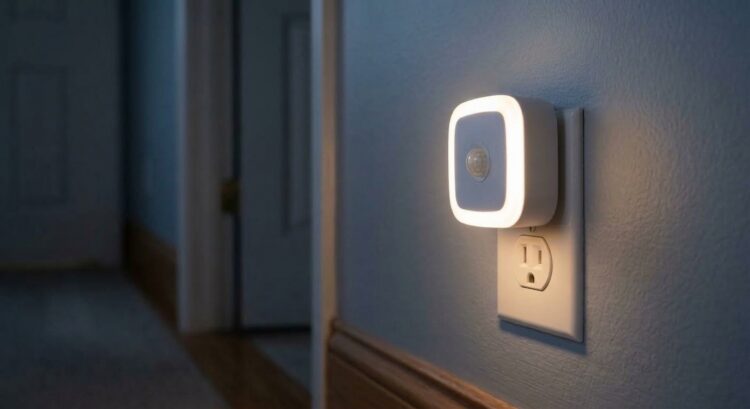
Night lights are a simple, low-cost fix that can make a big difference. Place them along the path between the bedroom and bathroom, since that’s usually the most common nighttime walk. A photocell night light is especially handy — it senses when the room gets dark and turns on automatically, so there’s no fumbling for a switch in the middle of the night.
Don’t forget the bedside lamp. It should be within easy reach from bed — no one should have to cross a dark room just to turn on a light.
Remove Tripping Hazards
Falls are one of the biggest safety concerns for older adults, and more often than not, the cause is something ordinary that’s been sitting in the house for years without anyone thinking twice about it.
Walk through the house and look for loose rugs, cords, clutter, uneven flooring, or furniture that’s crept into a walking path. If it could catch a foot, either move it or put it somewhere where it’s not a hazard.
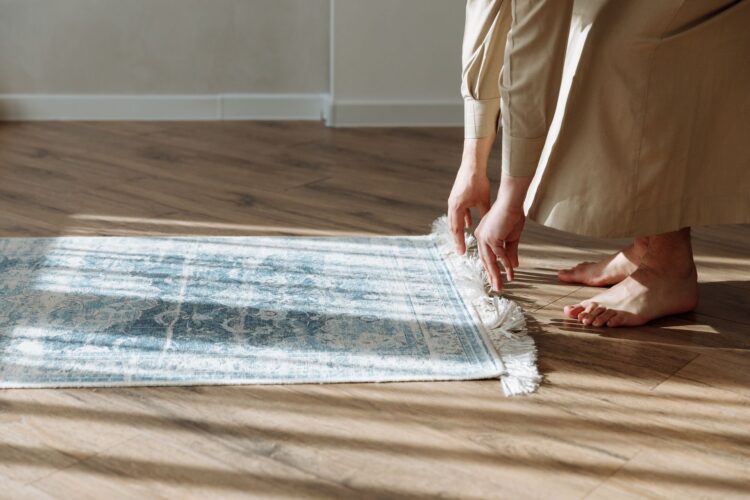
If there are area rugs, make sure they have non-slip backing. You can also secure them with rug pads designed to keep them in place. Small rugs that slide around are one of the easiest things to trip on, so it’s worth swapping those out first.
Keep electrical and phone cords tucked close to the walls, and never let them run across a hallway or other walking area.
It also helps to give everyday items a home — shoes, bags, boxes, or anything else that tends to land on the floor should have a regular storage spot.
Make the Bathroom Safer
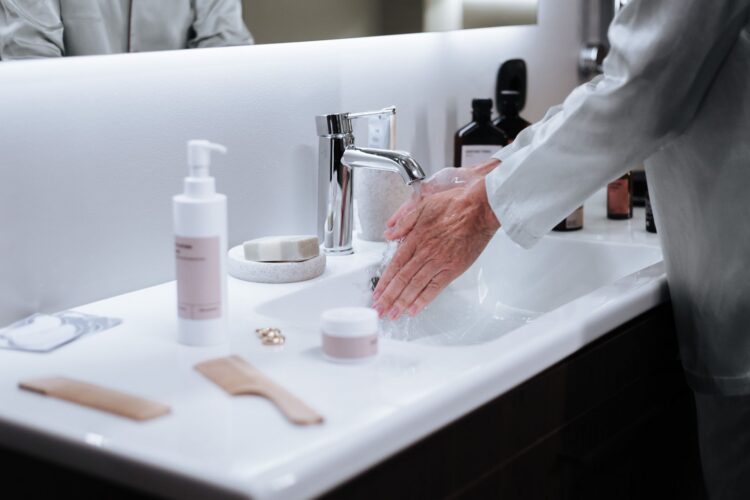
The bathroom deserves special attention — wet surfaces get slippery fast, and getting in and out of a tub or shower only gets harder with age.
Grab bars are one of the best investments you can make here. Install them near the toilet and inside or beside the shower, and make sure they’re securely mounted to actually support someone’s weight. A towel rack might look similar, but it’s not built to support weight and can give way at the worst possible moment.
A non-slip bath mat adds extra traction on wet tile. Inside the shower, a shower chair or bench is worth considering if standing for long periods has become tiring or unsteady.
A handheld showerhead can also make bathing easier, since it lets you direct the water instead of having to move around to get under it.
The toilet is another spot worth a second look. A raised toilet seat or safety frame can make sitting down and standing back up much easier.
Finally, keep everyday bathroom products within easy reach — shampoo, soap, towels, and anything else used regularly shouldn’t require stretching, bending, or climbing to grab.
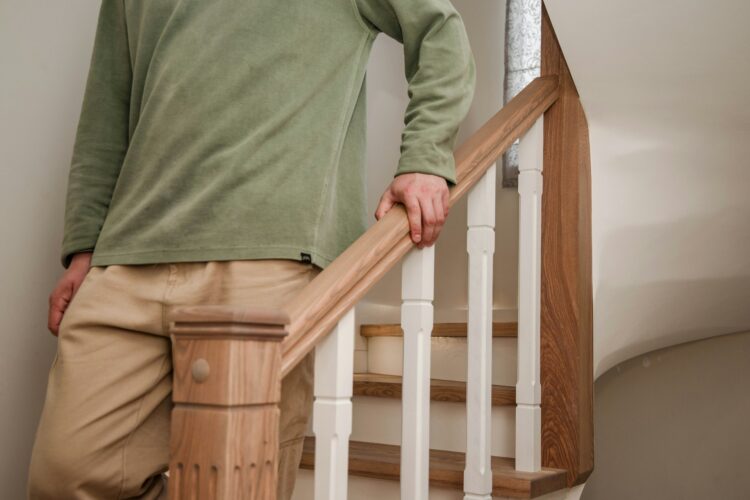
Improve Stair Safety
Stairs can become a challenge as balance, vision, or leg strength start to change — and good lighting should be the first thing you check.
Make sure there are light switches at both the top and bottom of the stairs, so no one ever has to climb or descend the stairs in the dark. Every step should be clearly visible, and if there’s a runner on the staircase, check that it’s firmly secured with no loose edges.
Handrails matter just as much. A sturdy handrail should run the full length of the staircase, and for wider or trickier stairways, a second handrail on the opposite side can offer extra support.
Keep the steps themselves completely clear — shoes, laundry, packages, and anything else that tends to get set down “just for a minute” should never sit on the stairs.
If stairs have become a struggle, it may be worth moving the bedroom and bathroom to the main living level, if that’s an option. Fewer trips up and down can make everyday life noticeably easier.
Keep Frequently Used Items Within Reach
Reaching for something on a high shelf might not seem like a big deal, but for an older adult, it’s one of the easier ways to lose balance and fall.
Move everyday items down to shelves and cabinets that can be reached comfortably while standing flat on the floor, and try to keep heavier objects below shoulder height.
In the kitchen, that means everyday dishes, cooking supplies, and food should be kept somewhere that’s easy to get to, while heavy pots and appliances go where they can be lifted safely, not pulled down from above.
The same rule applies everywhere else in the house. Medications, personal care items, clothing, and other daily necessities should all be within easy reach.
And it should go without saying — an elderly person should never climb on a chair or wobbly stool to reach something. If it’s rarely used, let it stay up high and have another family member grab it when it’s actually needed.
Create Clear Walking Paths
A clear path gives an older adult more room to move safely, and it matters even more for anyone using a cane, walker, or other mobility aid.
Walk through the house and try to see it from your parent’s or grandparent’s perspective. Can they get from the bedroom to the bathroom without squeezing past furniture? Is there room to turn around? Would a walker actually fit through the doorways?
Coffee tables, chairs, plants, and decorative pieces are common culprits when it comes to narrowing a path — move whatever’s in the way.
You don’t have to clear the whole room out. Sometimes shifting a chair or table just a few inches is enough to open things up.
Once you’ve settled on a layout, try to keep it that way. Rearranging furniture often can be disorienting, especially if your parent relies on knowing where things are without having to think about it.
Consider Senior-Friendly Smart Home Safety Features
Technology can add another layer of protection without taking away independence. The right smart home devices give both older adults and their caregivers a little more peace of mind.
Motion-sensor lights are an easy place to start — they turn on automatically in hallways, bathrooms, and entryways, so there’s no fumbling for a switch. Smart doorbells and cameras are helpful too, letting family members see who’s at the door without your parent having to rush to answer it.
Smart locks can make things easier too. Some systems let trusted family members come and go with temporary access, no physical key required.
Voice-controlled devices are worth considering as well. Being able to turn on lights, set reminders, make a call, or adjust the thermostat without getting up can make a real difference day to day.
For a parent living alone, an emergency alert system can offer peace of mind — many let them call for help just by pressing a button or using a voice command.
The goal with any of this is to make life easier, not more complicated. Look for devices that are simple to set up and use, and that actually match your parent’s comfort level with technology.
Small Updates, Real Peace of Mind
Creating a safer home isn’t about changing everything at once. Start with the areas where your parent spends the most time, and look for anything that could cause a fall, make movement harder, or force them to reach and bend more than they should have to.
It’s also smart to ask your parent what feels difficult these days. They’re often more aware of the problem spots than anyone else — sometimes things family members walk right past without noticing.
Most importantly, any changes you make should preserve your loved one’s dignity and independence, not take it away. A well-planned home lets aging parents keep doing things for themselves with more confidence, not less. Small updates now can make everyday life easier and help prevent the kind of accident that’s much harder to undo later.
Have you made changes to a parent’s or grandparent’s home to help them stay safe and independent? We’d love to hear what’s worked for your family — share your tips in the comments below!
Also read:
5 Simple Self-Care Practices for Caregivers of Seniors
You can find MomsWhoSave on Facebook, Instagram, Pinterest, and Twitter. Join us for updates.
Don’t miss a thing! Subscribe to MomsWhoSave’s newsletter.
Leave a Reply